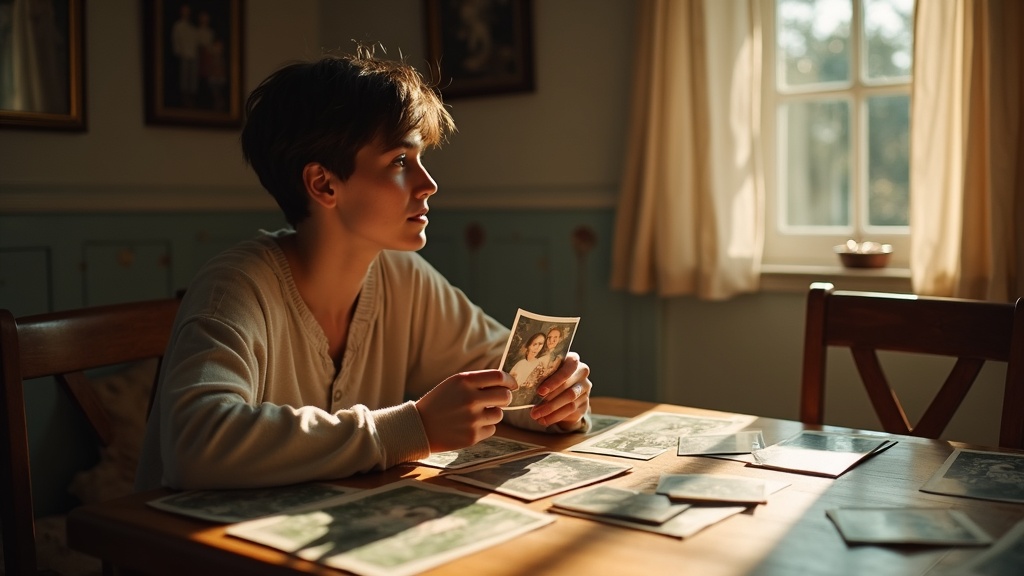
When the grandmother who kept all the photo albums passes away, or the uncle who was the family historian is gone, it can feel like you’ve lost your only connection to old family pictures. You might assume those photos are simply lost forever. But here’s the thing: old family photos have a way of spreading out across more places than you’d expect.
Photos don’t usually stay in just one person’s hands. They get copied, shared, tucked into books, sent in letters, or passed along to different branches of the family over the years. Someone might have scanned a few and emailed them around. A distant cousin you barely know might have inherited a box from their side of the family. Even local historical societies sometimes end up with family photos donated decades ago.
The search takes some detective work, sure. But you’re not starting from nothing. There are practical steps you can take to track down these images, even when the obvious keepers of family history are no longer around to ask. You just need to know where to look and who to contact.
This guide will walk you through the realistic places where old family photos might be hiding and show you how to reach out to people and organizations that could help. You might be surprised by what you find when you start looking beyond the most obvious sources. Those photos are out there, and many of them are more findable than you think.
Understand where family photos usually end up after someone dies
When someone dies, their photo collection rarely stays in one piece. Understanding the typical scatter patterns can help you find old family photos more systematically instead of guessing where to look.
The most common destination is a sibling or adult child who takes the albums home with good intentions. Sometimes one person gets the framed portraits while another gets the shoe boxes of loose pictures. Years pass, and nobody remembers exactly who took what. If you’re trying to locate lost pictures now, start by asking which relative handled the estate cleanout or helped pack up the house.
Storage units are another frequent landing spot. Families rent them during emotionally difficult times, intending to sort through everything later. Then life gets busy and the unit sits untouched for years. The same thing happens with moving boxes stashed in attics, garages, or spare bedrooms.
Photos also hide inside unexpected places. Old albums get tucked between books on shelves. Loose pictures end up as bookmarks or slip behind drawer liners. People used to store photos inside Bible covers, recipe boxes, and filing cabinets mixed with paperwork.
Sometimes well-meaning relatives donated belongings to thrift stores or churches without checking every envelope and album. Other times, renters or new homeowners found abandoned photos in houses after sales.
Here’s the tricky part: photos get separated from their context. The names written on the back get lost when pictures are removed from albums. Different branches of the family end up with images they can’t identify. Your family photo search needs to account for these handoff points where information got disconnected from the actual pictures.
Trace the last known owner through heirs, estates, and everyday paperwork
When someone who had old family photos passes away, the photos usually go to whoever sorted through their belongings. That person might be a spouse, an adult child, a sibling, or sometimes a close friend who helped clear out the house. Your first job is figuring out who that person was.
Start with the obituary. Most obituaries list surviving family members by name. If the person died recently, you might also find a funeral guest book online or a memorial page where people left comments. These often mention who organized the service or who to contact with condolences.
If you have access to any of the deceased person’s belongings, look through their address book, holiday card list, or even thank-you notes tucked in drawers. These everyday papers show who stayed in touch and who might have been trusted with personal items.
Public records can help too. Property records sometimes show when a house was sold and who handled the sale. An executor is the person named in a will to manage someone’s belongings after they die. Sometimes their name appears in probate records, which are often accessible online through county court websites.
Once you have a name, approach carefully. Send a short, warm message explaining who you are and that you’re looking for old family photos. Keep it simple and respectful. People are more likely to help if you’re not demanding or overly formal. Mention a specific photo or time period if you can. It makes your request feel genuine, not like you’re fishing for valuables.
Not everyone will respond, and that’s okay. Some people are private or simply don’t have what you’re looking for. But many families are happy to share ancestry photographs when asked kindly.
Expand the search to non-family keepers of photos
Your relatives didn’t live in isolation. They had friends, neighbors, coworkers, and godparents who might have taken photos at birthday parties, weddings, or casual get-togethers. These people often hung onto prints for decades, especially if they were close to your family. Even if the relationship faded over time, those old albums might still be sitting in someone’s attic.
Start by thinking about who spent time with your family. Military buddies from service years often exchanged photos. Former neighbors might have snapshots from block parties or holiday gatherings. Classmates from school reunions sometimes kept group pictures. If your relative had a close friend or regular caretaker in their later years, that person may have photos you’ve never seen.
Community organizations are worth checking too. Churches sometimes keep records of baptisms, confirmations, and church events with photos attached. Schools occasionally maintain yearbook archives or hold onto old class pictures. Former employers, especially long-established companies, might have staff photos or newsletters tucked away. Social clubs, fraternal organizations, and unions sometimes preserved group shots from meetings or events.
Don’t overlook local newspapers, which often photographed community gatherings, sports teams, or local business openings. Some maintain searchable archives, while others keep physical files you can request to browse. Photography studios occasionally kept prints or order logs, though this is less common now that many have closed.
When you reach out to any of these sources, remember that even if they no longer have originals, they might know who does. Always ask if you can get copies rather than requesting the originals outright. People are more willing to help when they don’t have to part with something permanently.
Use online clues that lead to physical photos
The internet won’t always have the photos you want, but it can tell you where the physical copies might be. People scan and post old pictures all the time without realizing someone else might be looking for them. Genealogy sites, local history Facebook groups, memorial pages, and even online yearbook archives can hold surprise discoveries.
Start by searching for unusual surnames rather than common first names. If your great-grandmother was a Zabriskie, that surname will cut through the noise better than searching for Mary. Try addresses too, especially if the family stayed in one place for generations. Old street names, school names, company names, and even church or club names can surface photos tagged with those locations.
Newspaper archives that have been digitized often include photos from weddings, obituaries, sports teams, and community events. Some are free to browse, others let you see results before asking for payment. Keep an eye on online marketplaces where people sell estate items. You might spot an album or framed portrait that includes your family, posted by someone cleaning out an attic.
If you find a photo online, try a reverse image search to see if it appears anywhere else. Sometimes the same picture gets shared across multiple sites, and one version might include better information about where it came from.
Always save details about where you found each image. Screenshot the post, note the username, record the group name or website. If you want to track down the original photo, you’ll need to reach out to whoever posted it. Most people are happy to help once they understand the connection.
Look for photos in overlooked physical places and containers
Photos have a way of disappearing into the strangest places. When someone passes away or moves to assisted living, their photographs often scatter into containers that seem unrelated to family memories. The key is thinking about where people actually lived their lives, not just where they stored their albums.
Start with the last place your relative lived. Check between the pages of books, especially old Bibles and prayer books. People used photos as bookmarks or tucked them inside for safekeeping. Recipe boxes are another gold mine. Grandmothers often slipped pictures between index cards, and those boxes survive kitchen cleanouts because they feel too personal to throw away.
Look inside anything with a lid or a zipper. Cedar chests, old luggage, and filing cabinets often hold envelopes full of unsorted pictures. Check the pockets of stored clothing and the linings of drawers. Photos get mixed in with important documents like birth certificates, military discharge papers, diplomas, and funeral cards. If you find one, keep looking in that same spot.
Don’t ignore the backs of picture frames or inside existing photo albums. Sometimes people stored extra prints behind the displayed photo, or slipped loose pictures between scrapbook pages. Safe deposit boxes might hold formal portraits or wedding photos, especially if they seemed valuable to your relative.
Finally, search any bins or boxes labeled vaguely as miscellaneous, keepsakes, or paperwork. These catch-all containers survive moves precisely because no one wanted to sort through them. That annoying jumble of greeting cards, old letters, and random envelopes often includes photographs that simply never made it into an album.