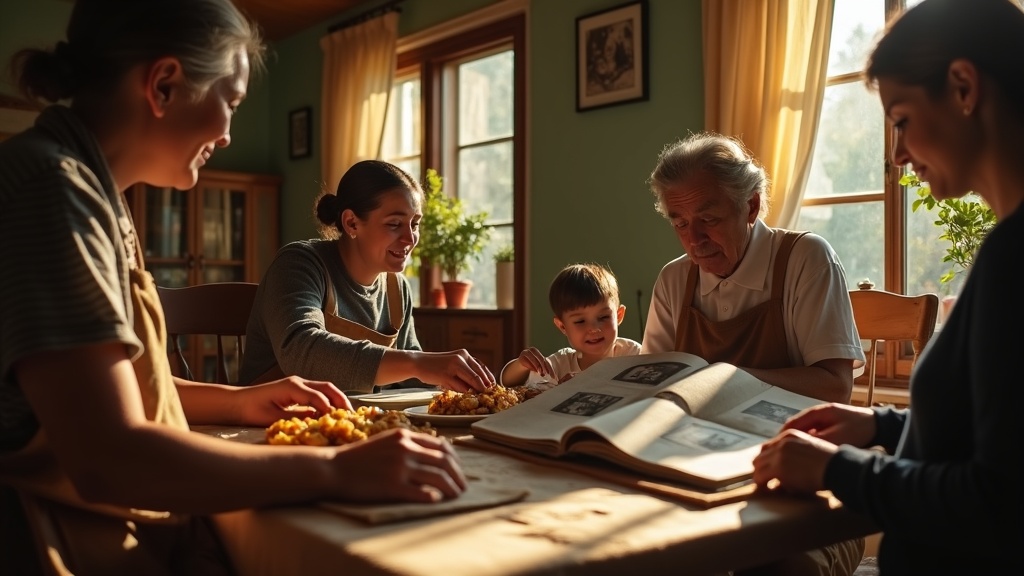
You want to plan a heritage themed family reunion, but there’s a problem. Maybe your grandparents passed away before you thought to ask the right questions. Maybe immigration scattered the family stories. Maybe the old traditions just faded away over the years, and now you’re left with more blanks than details.
Here’s the good news: you don’t need a complete family tree or a cookbook full of ancestral recipes to create something meaningful. A heritage-centered gathering isn’t about performing culture perfectly. It’s about exploring together, sharing what fragments you do have, and creating new memories that honor where your family came from.
The families who pull off the most memorable reunions aren’t the ones with the most information. They’re the ones who turn curiosity into activity. They get people talking, looking through old photos, trying to recreate half-remembered dishes, and laughing about the gaps they’re trying to fill.
This kind of family event planning works best when you let go of pressure and lean into participation. Instead of lecturing about the past, you’re giving everyone hands-on ways to connect with it. Instead of perfect accuracy, you’re after genuine moments where cousins discover something together or an aunt suddenly remembers a story she hasn’t told in decades.
What follows are practical, tested activities that don’t require expertise or extensive research. These are things you can actually do at a reunion, whether you’re gathering ten people or fifty, whether you know a lot about your roots or very little.
Choose a simple heritage focus that everyone can recognize
The biggest mistake families make is trying to celebrate everything at once. When you’re planning a heritage themed family reunion, you need one clear anchor that everyone can grab onto. Think of it as your reunion’s theme song, not the whole album.
Pick something simple and recognizable. Maybe it’s the region your grandparents came from, even if you only know it was “somewhere in the mountains of southern Italy.” Maybe it’s a surname that shows up on both sides of the family tree. Maybe it’s the journey itself, like “families who came through Ellis Island” or “descendants who moved west during the Dust Bowl.”
Your focus statement doesn’t need to be historically precise. It just needs to feel true enough that cousins nod their heads. “We’re celebrating our Irish roots” works fine even if some branches also include Scottish or Welsh ancestors. “Honoring our family’s farming heritage” brings everyone together without requiring exact dates or locations.
Food makes an especially good anchor when other details feel fuzzy. If your family is known for a particular dish or cooking style, that’s your focus right there. “A reunion celebrating our love of Southern cooking” gives you plenty to work with for activities and decorations.
The goal is to create a statement specific enough to guide your planning but broad enough that nobody feels left out. Write it down in one sentence. If you can picture three activities that fit that sentence, you’ve found your anchor. If you’re still confused about what to plan, your focus might be too vague or trying to cover too much ground.
Set up storytelling that doesn’t put anyone on the spot
Not everyone loves being handed a microphone and asked to share memories in front of a crowd. Some of your best storytellers might go quiet if they feel put on the spot. The trick is creating lots of low-pressure ways for people to share what they remember, when they feel like it.
Try putting question cards on tables during meals. Simple prompts work best: “What was your first job?” or “What song always reminds you of our family?” or “What did your grandmother always say?” People can read them, think about them, and share answers naturally with whoever’s sitting nearby. No stage fright required.
A memory wall gives people time to think. Set up a big sheet of poster board or butcher paper with a few prompts written at the top. Leave sticky notes and markers nearby. People can add their thoughts throughout the day, and everyone gets to read what others wrote. It becomes a conversation starter all on its own.
For people who want to share more but not publicly, create a quiet recording corner. Set up a phone or tablet with a simple voice memo app in a less busy room. Post a few prompts nearby: “Describe a holiday tradition you remember,” “Tell about a recipe that mattered in your family,” “What do you remember about school lunches?” People can record a minute or two when they feel like it.
Pair up a teenager with an older relative for short interviews. Give them five or six questions and fifteen minutes. Teens often ask things differently than adults do, and grandparents love the one-on-one attention. You might also set up a photo station where people can bring old pictures, write a quick caption about what they remember, and snap a photo of both together.
Use photos and everyday objects to bring heritage into the room
You don’t need museum pieces or rare artifacts to make heritage feel real at your reunion. Start with what you already have: printed photos, old kitchen tools, handwritten recipe cards, costume jewelry, or even a worn cookbook. These everyday items tell stories just as well as expensive heirlooms.
Set up a timeline table with paper placemats or cardstock marking different decades. People can place photos or objects near the right time period as they arrive. It creates a visual history everyone can walk past and talk about. You’ll be surprised how many conversations start when someone spots a familiar face or recognizes an old rotary phone.
Create a simple photo board labeled “Who’s Who” where people can tack up pictures and write names underneath. Use sticky notes or index cards so nothing gets damaged. If you’ve got photos where no one remembers the person, label them “Mystery Photo” and invite people to make guesses. Sometimes a cousin twice removed will recognize great-aunt somebody from her eyebrows.
For objects people bring, set out a stack of blank tags and pens. Each person writes what the item is and who it belonged to. A wooden spoon becomes “Grandma Rose’s spoon, used every Sunday for gravy.” A brooch becomes “Uncle Joe bought this in 1952 for his first date with Aunt Mary.” The stories matter more than the objects themselves.
If you want something running in the background, scan old photos and set them up as a slideshow on a laptop or TV. No narration needed. People will pause, point, and share what they know. It’s low effort but creates a mood that says “we come from somewhere.”
Try interactive traditions that can be learned on the spot
The beauty of a heritage themed family reunion is that nobody needs to be an expert. You’re exploring together, not performing for judges. Pick activities where someone can teach the basics in five minutes and everyone jumps in.
Simple dances work beautifully for this. A basic folk dance step, a line dance, or even just learning how people moved at celebrations in your ancestral region creates instant connection. One person demonstrates, everyone tries it, and suddenly you’re laughing together as you figure out the footwork. It doesn’t matter if you get it exactly right.
Call-and-response songs are another winner. Someone leads with a phrase, everyone echoes back. You don’t need to read music or hit perfect notes. The rhythm and repetition make it easy to pick up, and it works across generations. Kids especially love having a role where they can participate equally with adults.
Teaching a few words or phrases in a heritage language creates sweet moments without pressure. Start with greetings, common expressions, or terms of endearment that ancestors might have used. Write them on a big poster so people can practice. The goal isn’t fluency, just connection to sounds and words that mattered to your family.
Crafts that use everyday materials let people create something to take home. Paper folding, simple weaving with yarn, decorating small objects with traditional patterns drawn on paper for reference. Set up a table with supplies and let people work at their own pace while they chat.
Games that were played in your heritage culture often translate beautifully across ages. Many traditional games use simple equipment like stones, sticks, or drawn circles. The rules might be new, but the idea of playing together is universal.
Let food do the heavy lifting without turning it into a contest
Food is the easiest door into heritage, and you don’t need a kitchen full of expert cooks to make it work. The goal isn’t perfection or authenticity police. It’s about sparking memories and conversations through taste.
Try organizing a potluck around a theme instead of asking everyone to bring their best dish. Pick something broad like breads from different cultures, soups and stews, or sweets and desserts. This takes pressure off because nobody’s competing, and it naturally creates variety. Someone brings cornbread, another brings naan, someone else grabs a baguette from the bakery. All of it counts.
Put a small card next to each dish with a sentence or two about its story. Where did this recipe come from? Who taught you to make it? What do you remember about eating it as a kid? These little notes turn a buffet table into a conversation starter without requiring anyone to stand up and give a speech.
If your family has mixed backgrounds or some people just don’t cook, set up a simple tasting table with store-bought items. Grab crackers, cheeses, pickles, candies, or snacks tied to different regions your family comes from. Add a note about why each one matters. It’s low effort and still creates that sense of discovery.
Don’t forget drinks. A mocktail or beverage station with a sign explaining the significance works beautifully. Maybe it’s horchata, sweet tea, or ginger beer. Offer both alcohol and non-alcohol versions so everyone feels included.
Remember to ask about allergies and dietary needs ahead of time. Label dishes clearly. The point is bringing people together, not making anyone feel left out or unsafe.
Create ancestry activities that kids actually want to do
The trick is making heritage something kids can touch, move around, and actually do something with. A big wall map where children place stickers for every place a relative was born or lived turns geography into a treasure hunt. They’re not learning a lesson. They’re watching their family spread across a map like an adventure story.
A scavenger hunt works beautifully if you frame it as collecting stories instead of facts. Give kids clipboards with prompts like “find someone who remembers a funny nickname” or “find someone whose grandparent came from another country.” They become reporters, not students. Keep it to five or six prompts so it feels doable, not like homework.
A family passport station lets kids stamp or sticker a little booklet each time they hear a story from a different branch of the family. It gives them something to carry around and show off. You can make simple templates ahead of time or just fold paper and let them decorate it themselves.
If your family has sayings, nicknames, or phrases that get repeated, print them large on paper and set out markers or crayons. Kids can color them while adults tell the stories behind the words. It keeps hands busy while ears listen.
Set up a quick photo reenactment booth with one or two old family photos and a few props. Kids love posing like great-grandma in her wedding dress or mimicking grandpa’s serious soldier portrait. It takes thirty seconds and creates a direct connection across time.
The key is keeping everything optional and short. Some kids will dive in. Others will drift by, grab a sticker, and move on. Both are fine. You’re planting seeds, not requiring attendance.
Plan for mixed heritage, gaps, and sensitive history
Not every family has a tidy story to tell. Some relatives come from multiple backgrounds. Others grew up knowing little about their ancestry. Some chapters involve adoption, forced migration, or family separations that still sting.
Frame your reunion around “our family stories” rather than a single heritage. This language opens the door for everyone, whether they connect to one tradition or several. When you send invitations, invite different branches to contribute what they know. One cousin might share recipes from their grandmother. Another might talk about growing up between two cultures. Both matter equally.
Create opt-in spaces for deeper conversations. Set up a quiet corner with a photo album or memory book where people can write or talk if they want to. Don’t put anyone on the spot during the main gathering. Some relatives won’t know their background. Others may not want to discuss painful parts of their past. That’s completely okay.
Set a few simple ground rules before activities start. Ask everyone to listen without interrupting. Remind the group that family history can be complicated and that not everyone will have the same memories or feelings about shared events. Emphasize that it’s fine to pass on any activity or question.
If someone shares something personal, thank them and move forward. Don’t press for details or try to solve old family rifts during a reunion activity. Your goal is connection, not resolution. When people feel respected and included, they’re more likely to participate at whatever level feels right to them.
Capture what you learn so it doesn’t vanish after the weekend
The best stories from your heritage themed family reunion will disappear if nobody writes them down. You don’t need a fancy system. You just need one or two people willing to spend fifteen minutes after the reunion ends.
Start with a shared photo folder. Ask everyone to drop their pictures into a Google Drive folder or shared album. Send the link before people leave so they actually remember to do it. You’ll end up with dozens of angles of the same moments, which is exactly what you want.
While the reunion is happening, ask someone to keep a simple notes document open on their phone. When Uncle Ray tells the story about great-grandma’s nickname, type it in. When someone mentions how to pronounce a family name correctly, add that too. These tiny details are what people forget first.
If anyone brought old recipe cards or wrote down a dish they made, scan them with a phone camera. Drop those images right into the same folder. You’re not building an archive. You’re just making sure someone can find the information later.
Always ask permission before recording or photographing older relatives. Some people love it. Others feel uncomfortable. A quick question shows respect and usually gets a yes.
After the reunion, put together a simple packet. Print ten pages of photos and stories. Mail copies to the oldest family members who might not use computers easily. They’ll look at printed pages. They won’t open a cloud link.
If this sounds like too much, pick just one thing. Even a photo folder with no organization beats losing everything because it felt overwhelming.